
Over 34 million american adults face challenges related to glucose regulation and metabolic health. Understanding the science behind hormones like GLP-1 can make a real difference in these struggles. This article breaks down how GLP-1 works in the body, why it matters for weight management and diabetes, and what makes it stand out from other health peptides. By getting clear on GLP-1’s impact, readers can make informed choices about their well-being.
Table of Contents
- What Is GLP-1? Core Definition And Role
- Types Of GLP-1 Medications And Peptides
- How GLP-1 Works In The Body
- GLP-1 Benefits For Weight And Wellness
- Risks, Side Effects, And Safety Considerations
- Comparing GLP-1 With Other Health Peptides
Key Takeaways
| Point | Details |
|---|---|
| Role of GLP-1 | GLP-1 is a key hormone in regulating metabolism, particularly in glucose management and appetite control. It stimulates insulin secretion and aids in managing conditions like type 2 diabetes and obesity. |
| Types of Medications | GLP-1 receptor agonists mimic the natural hormone’s actions, with short-acting and long-acting formulations available for tailored patient treatment. |
| Health Benefits | GLP-1 supports weight management and metabolic health by reducing appetite and enhancing insulin sensitivity, offering a holistic approach to wellness. |
| Risks and Considerations | Potential side effects and risks of GLP-1 medications include gastrointestinal issues and metabolic changes, necessitating careful patient evaluation and management. |
What Is GLP-1? Core Definition and Role
Glucagon-like peptide-1 (GLP-1) represents a powerful hormone with complex metabolic functions that play a critical role in human physiology. Produced naturally in the intestines and brain, GLP-1 emerges as a key regulator of metabolic processes, particularly glucose management and insulin response PubMed.
At its core, GLP-1 functions as an incretin hormone, meaning it gets released when food enters the digestive system and triggers several essential metabolic reactions. According to research, GLP-1 performs multiple sophisticated tasks simultaneously: it stimulates insulin secretion, inhibits glucagon release, slows down gastric emptying, and promotes feelings of fullness PubMed. These mechanisms make it particularly significant for managing conditions like type 2 diabetes and obesity.
The hormonal cascade initiated by GLP-1 has profound implications for metabolic health. Key functions include:
- Enhancing insulin synthesis and release
- Maintaining pancreatic islet cell health
- Regulating blood glucose levels
- Supporting satiety and appetite control
- Potentially mitigating risks associated with metabolic disorders
Understanding GLP-1’s intricate role reveals why researchers consider it a crucial component in comprehending and potentially treating metabolic challenges. Its ability to influence multiple physiological processes simultaneously positions GLP-1 as a fascinating subject of ongoing scientific investigation.
Types of GLP-1 Medications and Peptides
GLP-1 receptor agonists represent a sophisticated class of medications designed to mimic the natural hormone’s metabolic functions. As noted by American College of Gastroenterology, these medications share core mechanisms while offering nuanced variations tailored to specific patient needs and therapeutic goals.
The landscape of GLP-1 medications encompasses several distinct categories, each with unique pharmacological profiles. Short-acting medications typically require daily injections and provide rapid metabolic intervention, while long-acting formulations offer extended release and less frequent dosing. Key types include:
-
Immediate-Release Medications
- Exenatide (short half-life)
- Lixisenatide
- Daily or twice-daily administration
-
Extended-Release Medications
- Semaglutide
- Dulaglutide
- Weekly or monthly administration
- Sustained metabolic impact
These medications strategically target multiple physiological pathways, stimulating insulin production, suppressing glucagon, slowing gastric emptying, and promoting satiety. While they share fundamental mechanisms, individual medications differ in absorption rates, duration of action, and specific metabolic interactions. Understanding these nuanced differences allows healthcare professionals to personalize treatment strategies for optimal patient outcomes.
How GLP-1 Works in the Body
GLP-1 operates as a sophisticated molecular messenger with intricate mechanisms that regulate metabolic processes throughout the human body. As revealed by scientific research, the hormone is encoded by the preproglucagon gene and strategically activates receptors to orchestrate complex physiological responses PubMed.
The primary mechanism of GLP-1 involves its interaction with specialized receptors distributed across multiple organ systems. PubMed highlights that these receptors are not confined to a single location but are extensively expressed in the pancreas, lungs, and nervous system. This widespread presence enables GLP-1 to exert comprehensive metabolic influences, particularly in glucose regulation and cellular health.
Key physiological interactions of GLP-1 include:
-
Pancreatic β-cell Stimulation
- Induces insulin secretion
- Glucose-dependent insulin release
- Prevents β-cell apoptosis
-
Metabolic Regulation
- Inhibits glucagon secretion
- Supports glucose homeostasis
- Contributes to weight management
Through these nuanced interactions, GLP-1 emerges as a critical hormonal regulator, demonstrating remarkable potential in managing metabolic health and potentially mitigating risks associated with diabetes and related disorders.

GLP-1 Benefits for Weight and Wellness
GLP-1 emerges as a remarkable hormone with profound implications for weight management and overall metabolic wellness. Research indicates that its multifaceted approach goes far beyond traditional weight loss strategies, offering a sophisticated mechanism for supporting comprehensive health PubMed.
The weight management potential of GLP-1 is particularly impressive. According to scientific studies PubMed, the hormone actively promotes weight loss through several key mechanisms. It reduces food intake, enhances feelings of satiety, and helps regulate appetite signals, creating a natural approach to metabolic control that differs from traditional weight loss interventions.
Comprehensive wellness benefits of GLP-1 include:
-
Appetite Regulation
- Reduces hunger sensations
- Decreases overall food consumption
- Supports natural portion control
-
Metabolic Health
- Improves insulin sensitivity
- Supports cardiovascular function
- Helps manage blood glucose levels
-
Additional Wellness Impacts
- Potentially reduces endothelial dysfunction
- Supports long-term metabolic balance
- Provides holistic approach to weight management
By targeting multiple physiological pathways simultaneously, GLP-1 represents a sophisticated approach to wellness that transcends traditional weight loss methods. Its ability to integrate appetite control, metabolic regulation, and overall health optimization makes it a powerful tool in modern wellness strategies.
Risks, Side Effects, and Safety Considerations
GLP-1 medications represent a powerful therapeutic approach, but they are not without potential risks and considerations. As revealed by Reuters, patient adherence can be challenging, with most individuals discontinuing treatment within two years due to various factors including side effects and practical limitations.
Clinical research highlights the complex landscape of safety considerations surrounding GLP-1 treatments. PubMed emphasizes the importance of evaluating individual patient needs when considering these medications, recognizing that therapeutic benefits must be carefully balanced against potential adverse reactions.
Common side effects and risks include:
-
Gastrointestinal Complications
- Nausea
- Vomiting
- Diarrhea
- Constipation
- Potential digestive tract disruptions
-
Metabolic Considerations
- Potential hypoglycemia
- Blood sugar fluctuations
- Pancreatic function changes
-
Long-Term Health Risks
- Potential thyroid complications
- Rare cases of pancreatitis
- Possible cardiovascular system impacts
Patients considering GLP-1 treatments should engage in comprehensive discussions with healthcare providers. A personalized approach that considers individual health history, current medical conditions, and potential risk factors is crucial for safe and effective treatment implementation.
Comparing GLP-1 With Other Health Peptides
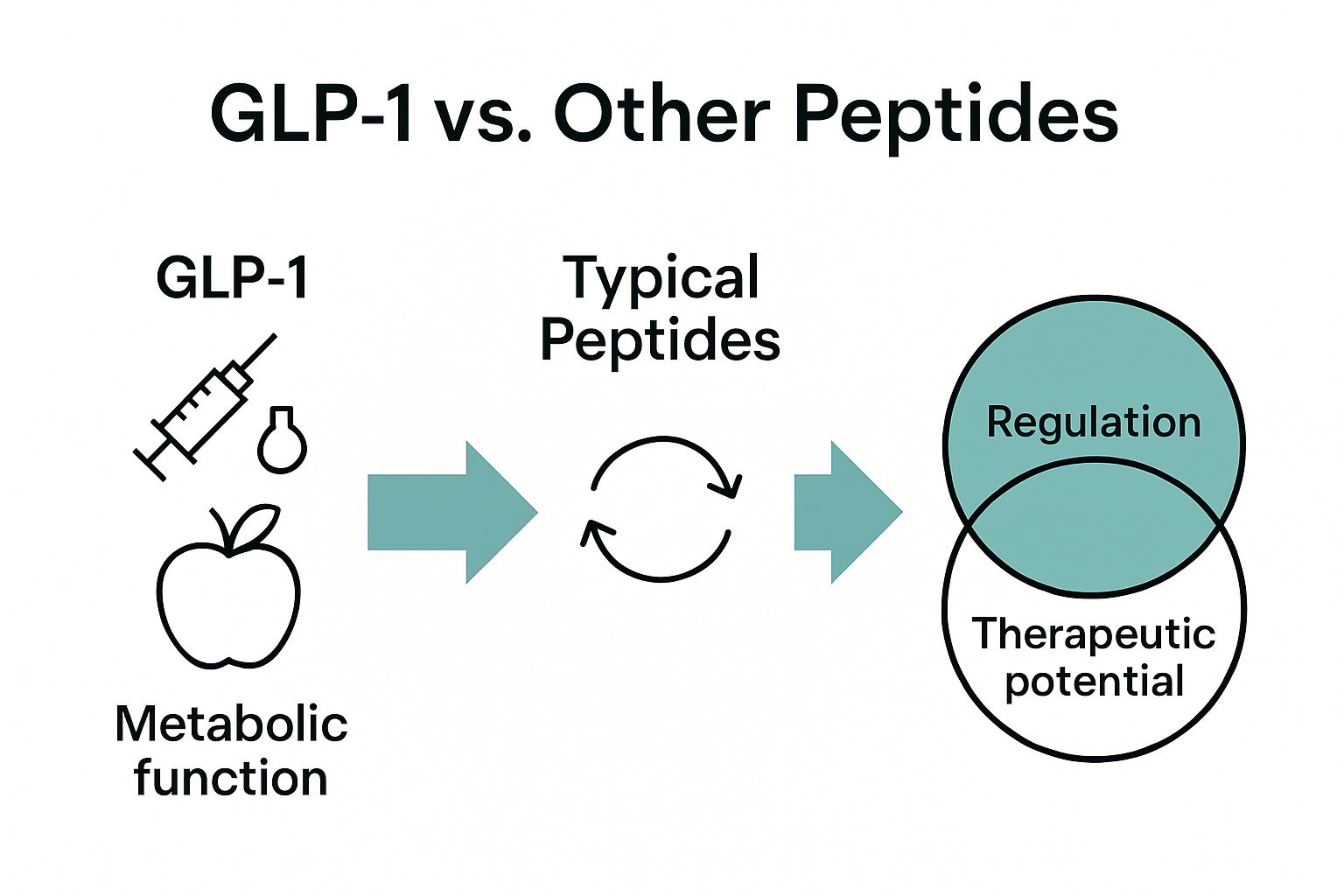
Within the complex landscape of health peptides, GLP-1 emerges as a uniquely sophisticated molecular messenger with distinctive metabolic capabilities. Scientific research PubMed highlights its exceptional role as an incretin hormone, setting it apart from other peptides through its precise glucose metabolism interactions and targeted physiological responses.
Unlike many health peptides with singular functions, GLP-1 demonstrates remarkable versatility. PubMed reveals its multifaceted nature, particularly in preventing β-cell apoptosis and supporting weight management strategies. This comprehensive approach distinguishes GLP-1 from more narrowly focused peptide therapies.
Key comparative characteristics include:
-
Metabolic Regulation
- Glucose-dependent insulin secretion
- Direct glucagon inhibition
- Comprehensive metabolic pathway engagement
-
Physiological Impact
- Prevents cellular breakdown
- Supports weight loss mechanisms
- Broader systemic health influences
-
Therapeutic Potential
- More dynamic than single-purpose peptides
- Complex interaction with multiple body systems
- Enhanced metabolic control strategies
The nuanced capabilities of GLP-1 position it as a sophisticated molecular tool, offering more comprehensive health interventions compared to many traditional peptide therapies. Its ability to simultaneously address multiple metabolic challenges represents a significant advancement in precision medical approaches.
Discover Balance and Confidence with GLP-1 Wellness Insights
Managing weight and metabolic health can feel overwhelming when navigating complex topics like GLP-1 receptor agonists and their effects on appetite, insulin, and overall well-being. If you are searching for straightforward, gentle guidance on peptides and balanced living, you are not alone. Many face challenges such as understanding side effects, sustaining motivation, and integrating new wellness steps that truly fit their lifestyle.
At EmilySandersLifestyle.com we blend calm educational content with elegant wellness routines tailored for real life. Dive into beginner-friendly explanations of skincare peptides and discover refined self-care habits that nurture confidence and glow. Let us help you explore holistic approaches that support your weight and metabolic goals safely and gracefully.

Take the next step toward a balanced you by exploring in-depth wellness tips and simple lifestyle solutions at Emily Sanders Lifestyle. Embrace a journey where science meets approachable care and feel empowered to live your best life today.
Frequently Asked Questions
What is GLP-1 and what role does it play in the body?
GLP-1, or glucagon-like peptide-1, is a hormone produced in the intestines and brain that regulates metabolic processes, particularly glucose management and insulin response. It functions as an incretin hormone, released when food enters the digestive system, to stimulate insulin secretion, inhibit glucagon release, slow gastric emptying, and promote satiety.
How do GLP-1 medications work?
GLP-1 medications, or GLP-1 receptor agonists, mimic the natural hormone’s effects to improve metabolic health. They stimulate insulin production, suppress glucagon, slow gastric emptying, and enhance feelings of fullness, making them effective for managing type 2 diabetes and supporting weight loss.
What are the common side effects of GLP-1 medications?
Common side effects of GLP-1 medications include gastrointestinal issues such as nausea, vomiting, diarrhea, and constipation. Additionally, patients may experience potential hypoglycemia, blood sugar fluctuations, or long-term risks like thyroid complications and rare cases of pancreatitis.
How does GLP-1 compare with other health peptides?
GLP-1 is unique among health peptides due to its multifaceted roles in metabolic regulation, including glucose-dependent insulin secretion and glucagon inhibition. Its ability to prevent β-cell apoptosis and support weight management distinguishes it from other peptides that typically focus on singular functions.
Recommended
- Glow-Enhancing Habits Tutorial for Radiant, Ageless Beauty – EMILY SANDERS LIFESTYLE
- Complete Guide to Embracing Ageless Wellness – EMILY SANDERS LIFESTYLE
- Why Gentle Skincare Routines: Complete Guide – EMILY SANDERS LIFESTYLE
- EMILY SANDERS LIFESTYLE
- The Ultimate Guide to Prebiotic Fiber Supplements: Enhance Your Health – Nutribliss Inc.
- Veterinarian Insights on Low-Glycemic Dog Nutrition
0 comments