
Most advice about healthy aging gets it wrong by treating it as an inevitable decline rather than a vibrant journey. For many women, including American women, understanding the real science behind aging unlocks new paths to everyday wellness. Studies show up to 80 percent of age-related health outcomes are influenced by lifestyle choices, not genetics. This resource curates fresh strategies and uncovers common myths, guiding you to graceful aging and more radiant self-care routines.
Table of Contents
- Defining Healthy Aging And Common Myths
- Key Pillars Of Healthy Habits For Aging
- How Healthy Habits Affect Body Systems
- Science Behind Nutrition, Movement, And Sleep
- Risks Of Neglecting Self-Care And Wellness
- Practical Strategies For Daily Life
Key Takeaways
| Point | Details |
|---|---|
| Healthy Aging is Proactive | Aging should be viewed as an opportunity for growth and wellness rather than inevitable decline. Smart lifestyle choices play a crucial role in shaping health outcomes. |
| Four Pillars of Healthy Aging | Focus on Physical Wellness, Cognitive Engagement, Psychosocial Factors, and Environmental Adaptability to enhance overall well-being and independence. |
| Interconnected Effects | Nutrition, physical activity, and sleep are interdependent; improving one can lead to benefits in the others, impacting overall health. |
| Importance of Self-Care | Neglecting self-care can lead to negative health consequences across physical, mental, and social domains, emphasizing the need for proactive wellness strategies. |
Defining Healthy Aging and Common Myths
Healthy aging represents far more than simply growing older - it’s an active, intentional approach to maintaining wellness across all life stages. Public health perspectives recognize healthy aging as a comprehensive strategy that focuses on optimizing opportunities to delay chronic conditions, preserve independence, and maintain robust physical and mental well-being.
Contrary to popular misconceptions, aging is not about inevitable decline but strategic maintenance. Many people mistakenly believe that health deterioration is an unavoidable part of getting older. However, scientific research demonstrates that targeted lifestyle choices can significantly influence how we experience aging. Intrinsic capacity becomes the key metric - measuring an individual’s physical and mental capabilities that contribute to functional ability.
Common myths about aging often prevent people from taking proactive steps toward wellness. For instance, some believe exercise becomes less important after 50, when in fact, regular physical activity becomes even more crucial. Another prevalent misconception is that cognitive decline is guaranteed, which research increasingly challenges. Neuroplasticity studies show that mental engagement, learning new skills, and maintaining social connections can help preserve cognitive function well into later decades.
The emerging understanding of healthy aging emphasizes personal agency and holistic wellness. By understanding lifestyle’s role in mature beauty, individuals can craft personalized strategies that support their unique health journey.
Pro tip: Start viewing aging as an opportunity for growth and intentional self-care, not a period of inevitable decline.
Key Pillars of Healthy Habits for Aging
Healthy aging requires a comprehensive approach that goes beyond simple physical maintenance. Global health initiatives are reimagining aging as an active, participatory experience that empowers individuals to maintain their dignity, capabilities, and quality of life across different stages of later adulthood.
The fundamental pillars of healthy aging encompass multiple interconnected dimensions. Physical wellness remains crucial, involving consistent exercise, balanced nutrition, and regular medical screenings. Equally important are mental and cognitive engagement strategies that challenge the brain through continuous learning, social interactions, and intellectual stimulation. Creating age-friendly lifestyle habits can significantly impact how we experience and navigate the aging process.
Psychosocial factors play a transformative role in maintaining overall health. Maintaining strong social connections, cultivating meaningful relationships, and developing resilience are critical components that contribute to emotional well-being. Research indicates that individuals with robust social networks and positive psychological attitudes tend to experience better health outcomes and increased longevity.
Environmental adaptability represents another key pillar, involving creating living spaces and daily routines that support independence and comfort. This includes ergonomic home modifications, leveraging assistive technologies, and developing flexible lifestyle strategies that accommodate changing physical capabilities.
Here’s a summary highlighting how healthy lifestyle pillars support different aspects of aging:
| Pillar of Healthy Aging | Key Benefit | Example Strategy |
|---|---|---|
| Physical Wellness | Improves strength and mobility | Consistent exercise and screenings |
| Cognitive Engagement | Maintains mental sharpness | Learning new skills, social activities |
| Psychosocial Factors | Enhances emotional resilience | Building relationships, stress management |
| Environmental Adaptability | Supports independent living | Ergonomic adjustments, assistive tools |
Pro tip: Approach aging as a dynamic journey of continuous personal growth and adaptation, not a period of limitation.
How Healthy Habits Affect Body Systems
Comprehensive research on lifestyle behaviors reveals profound interconnections between daily habits and bodily systems, demonstrating that our choices fundamentally shape physiological functioning. Every action we take - from nutrition to sleep patterns - triggers cascading effects throughout our body’s complex networks.
The cardiovascular system experiences particularly dramatic impacts from lifestyle choices. Regular moderate exercise strengthens heart muscle, improves blood circulation, and reduces inflammation markers. Nutrition plays an equally transformative role, with balanced diets supporting blood vessel health and regulating cholesterol levels. Exploring balanced lifestyle advantages can help individuals understand how interconnected their daily choices are with long-term physiological outcomes.
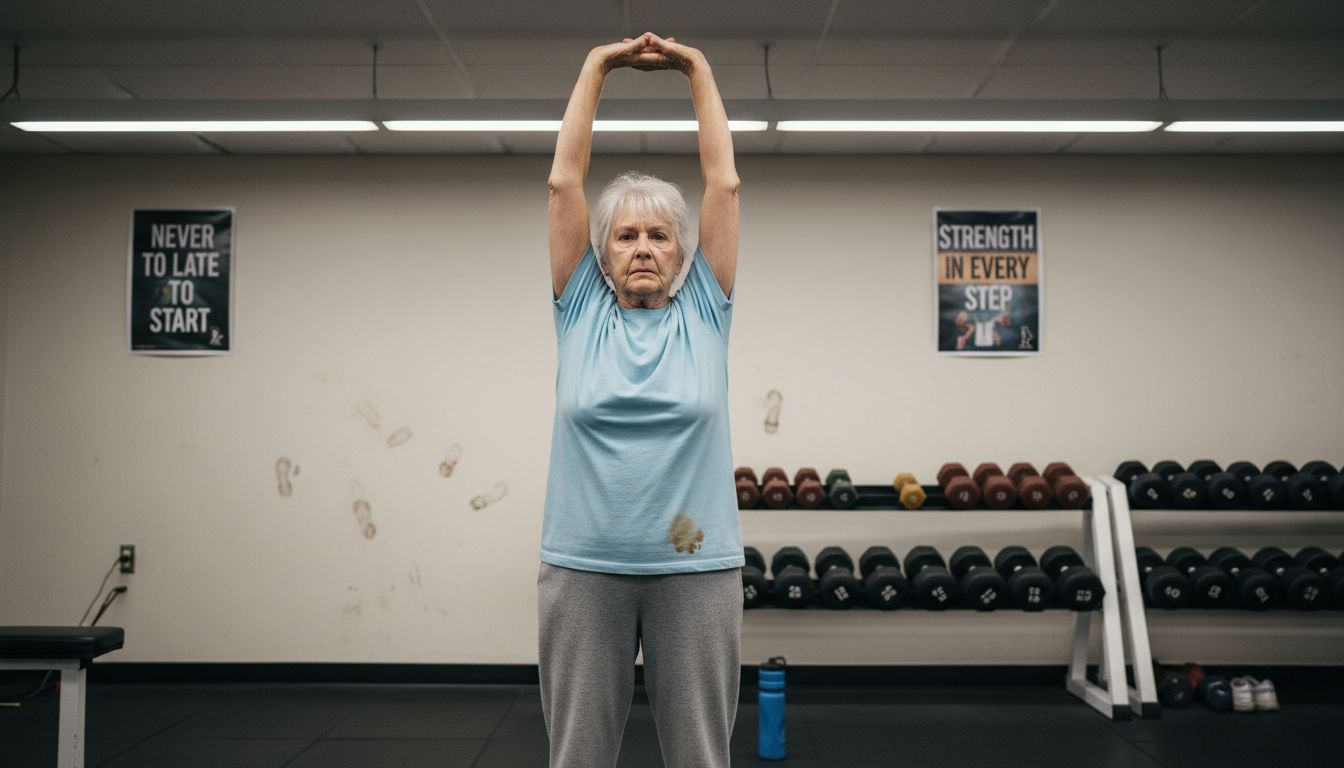
Metabolic and immune systems demonstrate remarkable responsiveness to healthy habits. Consistent physical activity and nutrient-rich diets enhance mitochondrial efficiency, regulate hormone production, and strengthen immune cell responses. Scientific evidence suggests lifestyle factors significantly outweigh genetic predispositions in determining overall health trajectories, empowering individuals to take proactive control of their well-being.
Neurological functioning represents another critical domain profoundly influenced by lifestyle. Quality sleep, stress management, and cognitive engagement directly impact neural plasticity, potentially delaying age-related cognitive decline and supporting mental sharpness throughout later life stages.
Pro tip: Treat your body as an integrated system where every healthy choice creates positive ripple effects across multiple physiological domains.
Science Behind Nutrition, Movement, and Sleep
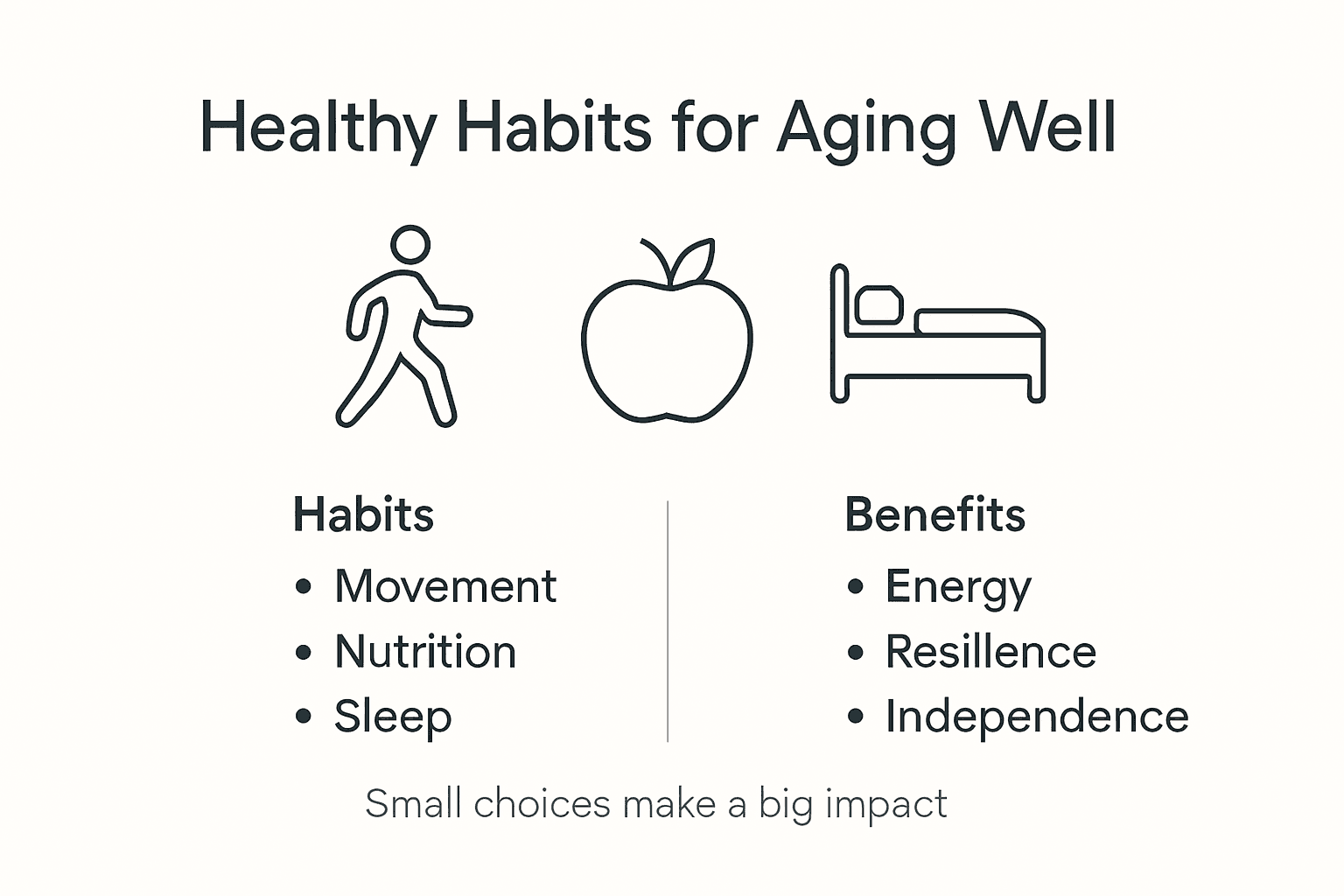
Modern scientific research illuminates the intricate interconnections between nutrition, physical activity, and sleep, revealing these three elements as fundamental pillars of holistic health and well-being. Each component acts as a critical lever influencing physiological functioning, with profound implications for long-term wellness and aging.
Nutritional choices directly impact sleep quality and metabolic processes. Dietary patterns play a complex role in regulating circadian rhythms, inflammation markers, and energy metabolism. Specific nutrients can enhance or disrupt sleep cycles, with balanced nutrition supporting optimal lifestyle foundations for lasting wellness. Complex carbohydrates, lean proteins, and specific micronutrients can help stabilize sleep patterns and support consistent energy levels throughout the day.
Physical movement emerges as a powerful modulator of sleep and metabolic health. Regular exercise not only strengthens cardiovascular and muscular systems but also helps regulate hormonal balance and improve sleep architecture. Scientific research demonstrates sleep quality is intricately linked with nutritional intake and physical activity, creating a dynamic feedback loop where each element reinforces and enhances the others. Moderate exercise can improve deep sleep stages, reduce nighttime awakenings, and support more restorative rest.
Neurological and endocrine systems play crucial roles in mediating these interconnected processes. Circadian rhythms, governed by complex hormonal signals, coordinate how our bodies process nutrition, respond to physical activity, and regulate sleep mechanisms. Understanding these intricate relationships empowers individuals to make more informed lifestyle choices that support comprehensive wellness.
Pro tip: Treat nutrition, movement, and sleep as interdependent systems, making small strategic improvements in one area to positively influence the others.
Risks of Neglecting Self-Care and Wellness
Research reveals profound consequences of systematic self-care neglect, demonstrating that overlooking personal wellness is not just a momentary lapse but a potentially life-altering decision. The cumulative impact of consistently disregarding personal health can trigger cascading negative effects across physical, mental, and emotional domains.
Physical health suffers dramatically when self-care is abandoned. Chronic stress becomes a silent destroyer, weakening immune responses and increasing vulnerability to illnesses. Cultivating daily wellness naturally emerges as a critical strategy for counteracting these detrimental processes. Prolonged neglect can accelerate cellular aging, disrupt metabolic functions, and compromise the body’s natural healing and regeneration mechanisms.
Mental and emotional well-being are equally susceptible to self-care deficits. Persistent stress and lack of intentional wellness practices can lead to burnout, increased anxiety, and diminished cognitive resilience. Scientific evidence highlights how neglecting self-care triggers comprehensive health deterioration, impacting everything from sleep quality to interpersonal relationships. The psychological toll includes reduced emotional regulation, decreased problem-solving capabilities, and heightened susceptibility to depression.
Social connections and support networks can also erode when individuals fail to prioritize self-care. Exhaustion, irritability, and emotional unavailability can strain relationships, creating a negative feedback loop that further undermines personal wellness. Understanding these interconnected risks underscores the importance of proactive, holistic self-care strategies.
This table compares the effects of positive versus negative self-care habits on long-term health:
| Self-Care Approach | Physical Health Impact | Mental Well-being | Social Connections |
|---|---|---|---|
| Proactive Self-Care | Boosts immunity, slows aging | Reduces anxiety, increases resilience | Strengthens support networks |
| Neglect of Wellness | Higher illness risk, faster aging | Increased burnout, lowered cognition | Weaker relationships and isolation |
Pro tip: Invest 15 minutes daily in intentional self-care as a non-negotiable commitment to your long-term health and happiness.
Practical Strategies for Daily Life
World Health Organization recommendations underscore the importance of intentional daily health practices that transform wellness from an abstract concept into tangible, achievable actions. Implementing strategic daily habits creates a powerful foundation for long-term health and vitality.
Nutrition serves as a critical cornerstone of daily wellness. Balanced meal planning involves incorporating diverse, nutrient-dense foods that support metabolic function and provide sustained energy. Prioritizing whole grains, lean proteins, and abundant vegetables can dramatically influence overall health. Creating a confidence-boosting daily routine helps establish consistent nutritional patterns that support both physical and emotional well-being.
Strategic habit formation supports sustainable lifestyle improvements by aligning daily actions with circadian rhythms and personal wellness goals. This approach involves creating structured yet flexible routines that include consistent sleep schedules, morning hydration, scheduled physical activity, and intentional stress management techniques. Mindfulness practices, brief meditation sessions, and regular social connections can significantly enhance mental resilience and emotional balance.
Physical movement represents another fundamental strategy for daily wellness. Incorporating varied exercise forms - from walking and stretching to strength training and yoga - ensures comprehensive physical engagement. The key is finding enjoyable activities that can be consistently integrated into daily life, making movement a natural, anticipated part of personal routine.
Pro tip: Design your daily routine as a personalized wellness experiment, making small, incremental changes and observing how they positively impact your overall health.
Embrace Healthy Aging With Confidence and Style
The journey to healthy aging is about more than avoiding decline. It is an opportunity to celebrate personal growth through mindful self-care, balanced nutrition, and joyful movement. If you are seeking to transform the common myths about aging into empowering lifestyle habits like intrinsic capacity and mental resilience, exploring curated wellness solutions can make all the difference. At Emily Sanders Lifestyle, discover how to blend elegant fashion with beginner-friendly self-care routines that emphasize glow, confidence, and balanced living.

Begin your path today by embracing both inner vitality and outward elegance. Dive into soothing guides on skincare fundamentals including peptides, build calming daily routines, and unlock the secrets to sustainable wellness. Visit Emily Sanders Lifestyle to start crafting your personalized healthy aging journey with expert insights and stylish inspiration. Don’t wait to redefine aging on your own terms with grace and confidence.
Frequently Asked Questions
What are the key pillars of healthy aging?
The key pillars of healthy aging include physical wellness, cognitive engagement, psychosocial factors, and environmental adaptability. Each pillar contributes to overall well-being by promoting physical health, mental sharpness, emotional resilience, and independent living.
How do lifestyle choices impact aging?
Lifestyle choices greatly influence how we age by affecting bodily systems and overall health. Regular exercise, balanced nutrition, and sufficient sleep can enhance physical capabilities, improve mental sharpness, and bolster emotional well-being, ultimately leading to a more vibrant aging experience.
Why is self-care important for older adults?
Self-care is crucial for older adults as it helps prevent the negative effects of neglecting personal health. Proactive self-care can boost immunity, reduce anxiety, and strengthen social connections, all of which contribute to a higher quality of life and increased longevity.
How can I implement healthy habits in my daily routine?
Implementing healthy habits in your daily routine can involve creating a structured yet flexible schedule that includes balanced meal planning, regular physical activity, and stress management techniques. Small, incremental changes can lead to sustainable lifestyle improvements over time.
Recommended
- Complete Guide to Embracing Ageless Wellness – EMILY SANDERS LIFESTYLE
- Role of Lifestyle in Mature Beauty: How Habits Shape Your Glow – EMILY SANDERS LIFESTYLE
- 7 Essential Healthy Lifestyle Habits List for Ageless Beauty – EMILY SANDERS LIFESTYLE
- 7 Key Advantages of a Balanced Lifestyle for Women – EMILY SANDERS LIFESTYLE
0 comments