
Most American women believe minimalist fashion means sacrificing creativity for simplicity, yet studies show that embracing intentional elegance can actually boost confidence and support sustainable living. With so much misinformation swirling, finding a personal style that feels authentic can seem daunting. This guide shares empowering truths about minimalist fashion, helping you make choices that align with your values while enhancing your daily self-care routine and celebrating individuality.
Table of Contents
- Defining Minimalist Fashion And Common Myths
- Essential Styles And Variations For Women
- Key Features: Fabrics, Tailoring, And Palettes
- How Minimalist Fashion Supports Sustainability
- Empowering Daily Routines And Self-Care
- Comparing Minimalist Style To Fast Fashion
Key Takeaways
| Point | Details |
|---|---|
| Minimalist Fashion Philosophy | Minimalist fashion emphasizes intentional simplicity, focusing on quality, versatility, and personal expression rather than trend-driven consumption. |
| Wardrobe Essentials | A curated wardrobe consisting of 33 essential items allows for easy mixing and matching, creating stylish looks while reducing decision fatigue. |
| Sustainability Focus | Minimalism encourages sustainable fashion practices by prioritizing longevity and reducing waste through thoughtful purchasing decisions. |
| Mindful Consumption | Opt for fewer, high-quality pieces that complement your existing wardrobe, supporting a more authentic and meaningful relationship with clothing. |
Defining minimalist fashion and common myths
Minimalist fashion represents a deliberate style philosophy centered on intentional simplicity and refined elegance. At its core, this approach transcends mere clothing choices to become a powerful personal statement about design principles and individual expression. Unlike popular misconceptions, minimalist fashion is not about limiting personal creativity but about curating a wardrobe that speaks volumes through carefully selected pieces.
The fundamental characteristics of minimalist fashion include clean silhouettes, neutral color palettes, and high-quality materials that prioritize function and timeless appeal. These principles emerged from cultural shifts in the late 20th century, where designers began challenging traditional fashion narratives by stripping away unnecessary embellishments. Minimalism rejects the notion that style requires complexity, instead celebrating the beauty of simplicity and purposeful design.
Common myths surrounding minimalist fashion often mischaracterize it as boring or restrictive. In reality, this approach offers incredible versatility and personal empowerment. Minimalist wardrobes allow individuals to mix and match pieces effortlessly, creating multiple outfits from a carefully curated selection of garments. The focus shifts from quantity to quality, encouraging thoughtful consumption and sustainable fashion choices that reflect personal values.
Pro tip: Start building your minimalist wardrobe by identifying 5-7 versatile, high-quality neutral pieces that can be combined in multiple ways to create diverse looks.
Essential styles and variations for women
Minimalist fashion for women embraces a strategic approach to personal style, focusing on creating a versatile wardrobe built around carefully selected foundational pieces. A comprehensive minimalist wardrobe checklist typically includes 33 essential items that can be mixed and matched to create numerous sophisticated looks. These pieces are chosen for their timeless quality, adaptability, and ability to transcend seasonal trends.
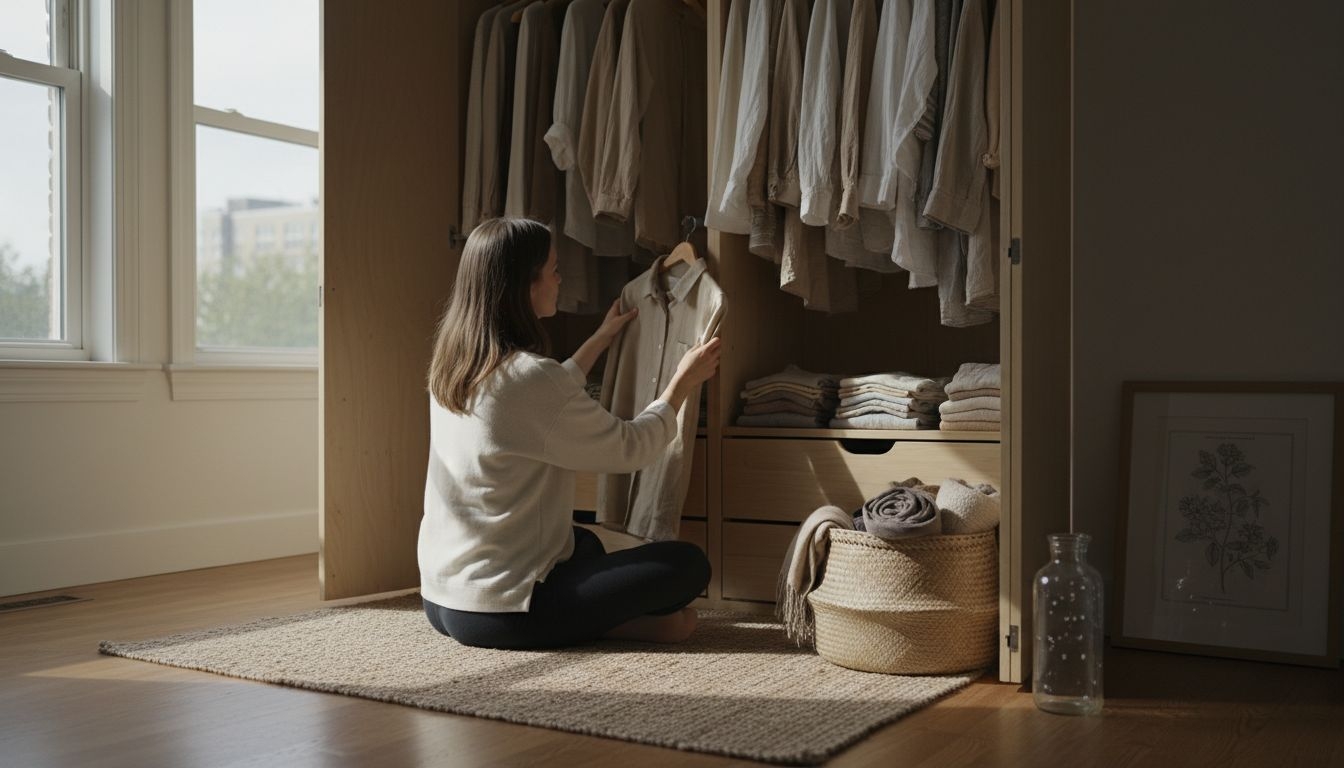
The core of a minimalist women’s wardrobe centers on neutral color palettes and classic silhouettes that provide maximum flexibility. Key pieces include tailored blazers, crisp white shirts, well-fitted dark wash jeans, versatile black trousers, and simple shift dresses. These items can be layered and accessorized to create everything from professional office attire to relaxed weekend ensembles. Trends for mature women particularly emphasize comfort, elegance, and pieces that flatter individual body shapes while maintaining a refined aesthetic.
Variations in minimalist style allow for personal expression while maintaining the philosophy of intentional simplicity. Some women prefer a monochromatic approach, using different textures and subtle tonal variations to add depth to their outfits. Others might incorporate minimal patterns or carefully chosen statement accessories to personalize their look. The key is maintaining a cohesive color palette and selecting high-quality pieces that can be worn multiple ways, reducing wardrobe complexity while maximizing style potential.
Pro tip: Invest in three neutral colors that complement your skin tone and build your minimalist wardrobe around these shades to ensure maximum mix-and-match versatility.
Key features: fabrics, tailoring, and palettes
Minimalist fashion distinguishes itself through meticulous attention to fabric selection and design aesthetics. The philosophy prioritizes natural, sustainable textiles that offer both comfort and timeless elegance. Premium materials like organic cotton, lightweight wool, silk, and linen form the foundation of a minimalist wardrobe, chosen for their ability to drape beautifully, maintain structural integrity, and provide exceptional wearability across multiple settings.
Tailoring in minimalist fashion represents a deliberate approach to garment construction, emphasizing clean lines, precise cuts, and seamless silhouettes. The focus is on creating pieces that move effortlessly with the body, eliminating unnecessary embellishments and focusing on fundamental shape and fit. Structured blazers, streamlined trousers, and simple shift dresses exemplify this approach, where each garment is engineered to provide maximum versatility and minimal visual complexity.
Color palettes in minimalist fashion are carefully curated to promote visual harmony and personal expression. Neutral tones like ivory, beige, soft grays, and muted blacks dominate, allowing for easy mixing and matching while creating a sense of understated sophistication. These deliberately restrained color choices enable women to build a cohesive wardrobe where each piece complements the others, reducing decision fatigue and promoting a sense of calm through sartorial simplicity.
The following table summarizes how fabrics, tailoring, and palettes contribute to minimalist style:
| Feature | Impact on Style | Business/Environmental Benefit |
|---|---|---|
| Natural Fabrics | Comfort, refined appearance | Lower carbon footprint |
| Precise Tailoring | Streamlined, versatile silhouettes | Higher garment durability |
| Neutral Palettes | Easy mix-and-match combinations | Reduces wardrobe turnover |
Pro tip: Invest in high-quality, multipurpose natural fabrics that can transition seamlessly between professional and casual environments, maximizing your wardrobe’s versatility.
How minimalist fashion supports sustainability
Minimalist fashion represents a profound approach to sustainable consumption, fundamentally challenging the wasteful practices of fast fashion. Sustainable fashion consumption patterns demonstrate that minimalist consumers prioritize quality over quantity, deliberately selecting garments that offer longevity, versatility, and reduced environmental impact. By investing in fewer, higher-quality pieces, women can dramatically decrease textile waste and minimize their personal carbon footprint.
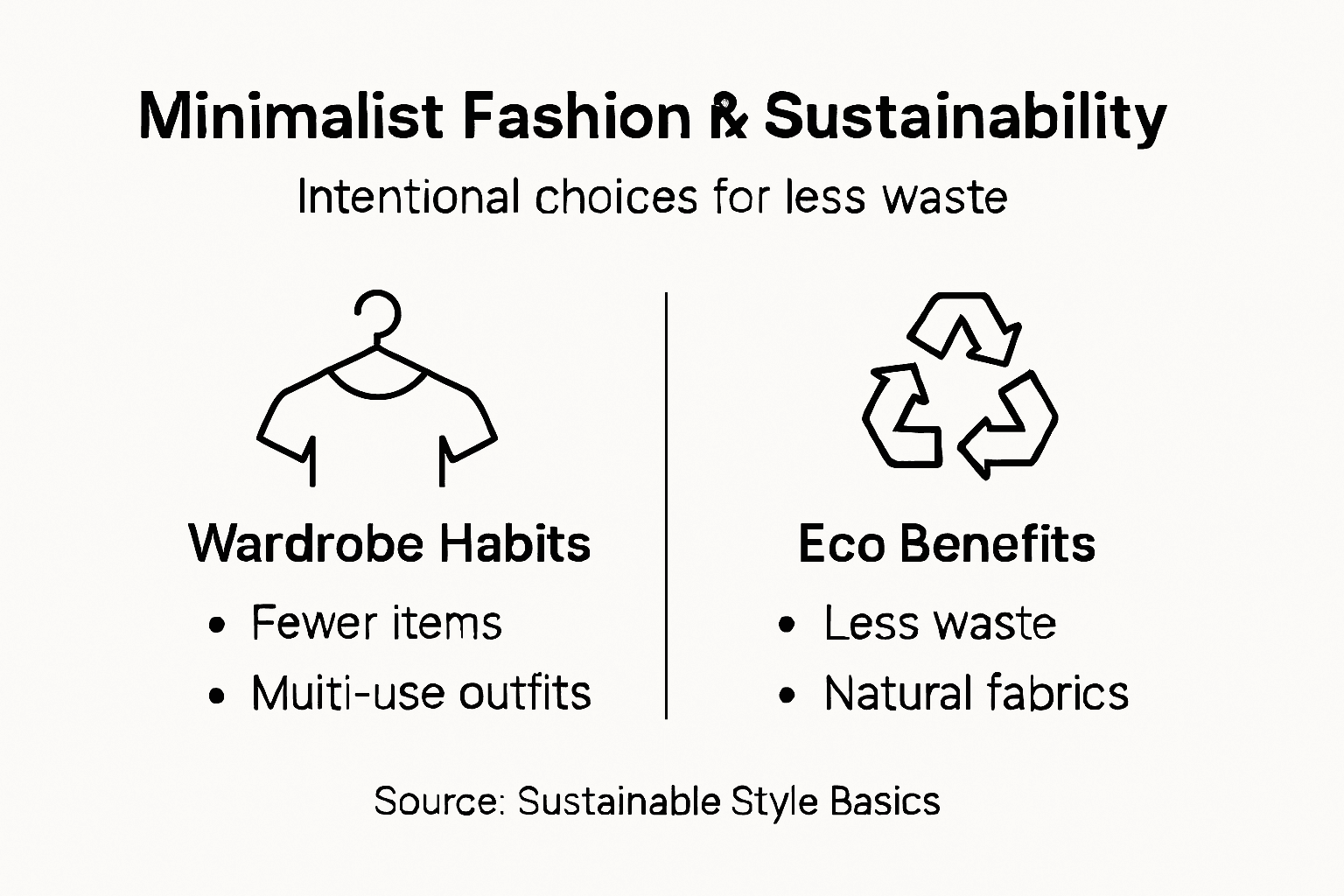
The philosophy of minimalist fashion inherently promotes waste reduction through intentional purchasing decisions. Instead of rapidly cycling through trendy, disposable clothing, minimalist consumers focus on timeless designs crafted from sustainable materials like organic cotton, recycled fabrics, and responsibly sourced textiles. This approach directly counters the environmental damage caused by mass production, encouraging a more thoughtful relationship with clothing that values craftsmanship, durability, and ethical manufacturing practices.
Beyond material choices, minimalist fashion supports sustainability by challenging consumerist culture and promoting a more mindful approach to personal style. By rejecting the constant cycle of trend-driven consumption, women can create wardrobes that transcend seasonal shifts, reducing demand for new production and supporting more environmentally responsible fashion ecosystems. The movement represents a holistic approach to personal style that considers not just aesthetic appeal, but the broader ecological and social implications of clothing choices.
Pro tip: Conduct a wardrobe audit every six months, identifying multipurpose pieces that can be styled in multiple ways and donating or responsibly recycling items that no longer serve your minimalist lifestyle.
Empowering daily routines and self-care
Minimalist fashion transcends clothing choices to become a powerful tool for transforming daily wellness routines. By intentionally curating a wardrobe that reflects personal values and provides psychological comfort, women can turn getting dressed into a meaningful ritual of self-expression and confidence. The act of selecting thoughtfully designed, high-quality pieces becomes a form of mindful self-care that reduces decision fatigue and promotes a sense of inner calm.
The minimalist approach to self-care emphasizes simplicity and intentionality, stripping away unnecessary complexity to focus on what truly matters. This philosophy encourages women to develop wellness practices that are sustainable, meaningful, and aligned with their core values. By eliminating the mental clutter associated with excessive choices and trends, minimalist fashion creates space for more purposeful daily routines that nurture personal growth, emotional well-being, and authentic self-expression.
Practical self-care through minimalist fashion involves creating consistent, intentional habits that support mental and emotional health. This might include establishing a morning dressing ritual that feels deliberate and empowering, selecting versatile pieces that make you feel confident, and approaching your wardrobe as a curated collection that reflects your inner landscape. The goal is to transform daily dressing from a mundane task into a moment of personal connection and self-appreciation.
Pro tip: Create a morning routine that includes laying out your carefully selected outfit the night before, transforming dressing into a mindful, intentional practice that sets a positive tone for your entire day.
Comparing minimalist style to fast fashion
The fundamental difference between minimalist style and fast fashion lies in their core philosophical approaches to consumption and personal expression. Minimalism challenges fast fashion’s core model by prioritizing intentional, quality-driven wardrobe choices over rapid trend cycling and disposable clothing. Where fast fashion promotes constant consumption through frequent, low-cost collections, minimalist fashion advocates for a deliberate, thoughtful approach that values longevity, craftsmanship, and personal style over momentary trends.
Fast fashion operates on a model of rapid production, encouraging consumers to constantly update their wardrobes with cheap, trendy pieces that quickly become obsolete. In stark contrast, minimalist fashion focuses on curating a timeless collection of high-quality, versatile garments that transcend seasonal shifts. This approach not only reduces environmental waste but also challenges the psychological pressure of perpetual consumption, allowing individuals to develop a more authentic and sustainable relationship with their clothing.
Here’s a concise comparison of minimalist fashion and fast fashion approaches:
| Aspect | Minimalist Fashion | Fast Fashion |
|---|---|---|
| Wardrobe philosophy | Quality, intentional selection | Quantity, frequent purchases |
| Environmental impact | Reduces waste, eco-friendly | High waste, resource intensive |
| Style longevity | Timeless, rarely trends | Trend-driven, short-lived |
| Consumption mindset | Mindful, values sustainability | Impulsive, trend-focused |
The economic and environmental implications of these approaches differ dramatically. Fast fashion generates massive textile waste, exploits labor in developing countries, and creates significant carbon emissions through constant production and transportation. Minimalist fashion, by design, reduces consumption, supports ethical manufacturing practices, and encourages consumers to invest in pieces that will remain stylish and functional for years. This approach represents a profound shift from viewing clothing as a disposable commodity to understanding fashion as a meaningful form of personal expression and responsible consumption.
Pro tip: Before purchasing any new clothing item, ask yourself three questions: Will I wear this at least 30 times? Does it complement my existing wardrobe? Can I style it in multiple ways?
Discover Empowered Confidence Through Minimalist Style
Struggling to build a wardrobe that brings calm and confidence without overwhelming choices The article shows how minimalist fashion transforms daily routines by focusing on intentional simplicity and quality pieces that support wellness and sustainability. If you want to embrace this lifestyle and feel empowered every day Explore our MY CURATED PIECES – EMILY SANDERS LIFESTYLE collection for timeless, versatile garments designed to elevate your personal style while reducing decision fatigue.
Turn your dressing ritual into a mindful act of self-care by choosing pieces that blend elegance with comfort Visit EmilySandersLifestyle.com to start building a wardrobe that reflects your values and supports calm confidence. Discover how you can create balanced, sustainable style and explore our ZASUWA BY EMILY SANDERS – EMILY SANDERS LIFESTYLE line for modern feminine fashion that aligns perfectly with a minimalist ethos. Begin your journey now and transform your style into a source of empowerment.
Frequently Asked Questions
What is minimalist fashion?
Minimalist fashion is a style philosophy that emphasizes intentional simplicity, clean silhouettes, and high-quality materials. It focuses on curating a wardrobe that expresses personal values and promotes sustainability.
How can I start building a minimalist wardrobe?
Begin by identifying 5-7 versatile, high-quality neutral pieces that can be easily mixed and matched. Focus on selecting garments that prioritize function, timeless appeal, and personal comfort.
What are the key features of minimalist fashion?
Key features of minimalist fashion include natural fabrics, precise tailoring, and neutral color palettes. These elements contribute to creating versatile, timeless pieces that can be styled in multiple ways while reducing decision fatigue.
How does minimalist fashion support sustainability?
Minimalist fashion supports sustainability by encouraging quality over quantity. It promotes purchasing fewer, high-quality garments made from sustainable materials, thus reducing textile waste and the overall environmental impact of fashion.
Recommended
- Fashion Trends for Mature Women: Complete Guide – EMILY SANDERS LIFESTYLE
- What Is Ageless Fashion and Why It Matters – EMILY SANDERS LIFESTYLE
- EMILY SANDERS LIFESTYLE
- ES LIFESTYLE Knit Slim-Fit Jumpsuit – High Street Autumn Winter | ESL – EMILY SANDERS LIFESTYLE
- Female Hairline: Causes, Growth Tracking, and Solutions for 2025 | MyHair
0 comments