
Most advice about aging still relies on outdated myths, even though research shows a positive mindset can reshape every stage of life. For women who value holistic self-care, an age-positive approach leads to greater joy and resilience, as proven by both American and European wellness studies. By exploring these science-backed truths, you will discover how embracing optimism and confidence transforms the experience of midlife into a rewarding journey of growth and self-assurance.
Table of Contents
- Age-Positive Living Defined and Debunked
- Core Mindset Shifts for Aging Well
- Holistic Self-Care in Age-Positive Living
- Challenging Ageism and Common Stereotypes
- Cultivating Confidence Through Daily Rituals
Key Takeaways
| Point | Details |
|---|---|
| Embrace Age-Positive Living | Recognize aging as a phase of growth, focusing on health, social participation, and personal security to redefine aging positively. |
| Shift Mindset for Resilience | Adopt a growth mindset to view aging as a continuous opportunity for development and enhancement of well-being. |
| Holistic Self-Care Approach | Integrate physical, mental, and emotional wellness strategies to foster resilience and vibrant aging experiences. |
| Challenge Ageism Actively | Combat common stereotypes by sharing personal narratives and promoting intergenerational understanding to reshape societal views on aging. |
Age-Positive Living Defined and Debunked
Age-positive living represents a progressive approach to understanding aging as a journey of growth, empowerment, and continuous personal development. Unlike traditional narratives that view aging as a decline, this perspective challenges negative stereotypes and celebrates the potential of midlife and beyond. Positive aging research from the World Health Organization emphasizes maintaining a constructive attitude towards aging while maximizing health, participation, and personal security.
Contrary to popular myths, aging is not about limitation but adaptation. Recent demographic research has critically examined long-held beliefs about exceptional longevity and aging. Dr. Saul Justin Newman’s groundbreaking work reveals that many claims about “Blue Zones” and extraordinary lifespans are often based on flawed data, including clerical errors and pension fraud. This research underscores the importance of approaching age narratives with scientific skepticism and nuanced understanding.
At its core, age-positive living involves three fundamental elements: maintaining physical health, ensuring active social participation, and creating personal security. Women navigating midlife can embrace this philosophy by challenging internalized negative aging stereotypes, focusing on holistic wellness, and recognizing that chronological age does not define personal potential. By shifting perspective from restriction to opportunity, individuals can transform their relationship with aging from something to be feared to a stage of remarkable personal growth and self-discovery.
Pro Tip: Start documenting your personal wellness journey through monthly reflections, tracking not just physical metrics but emotional growth and personal achievements to reinforce your age-positive mindset.
Compare fundamental elements of age-positive living:
| Element | Description | Real-Life Benefit |
|---|---|---|
| Physical health | Prioritize regular movement and nutrition | Increased vitality |
| Social participation | Engage actively with others | Stronger relationships |
| Personal security | Foster emotional and financial stability | Peace of mind |
Core Mindset Shifts for Aging Well
Successful aging begins with transforming internal narratives about getting older. Research on psychological infrastructure reveals that mindset profoundly influences health outcomes, demonstrating that our beliefs about aging can literally shape our physical and emotional experiences. A growth mindset becomes particularly crucial, enabling women to view aging not as a period of decline, but as an opportunity for continuous personal evolution and meaningful engagement.
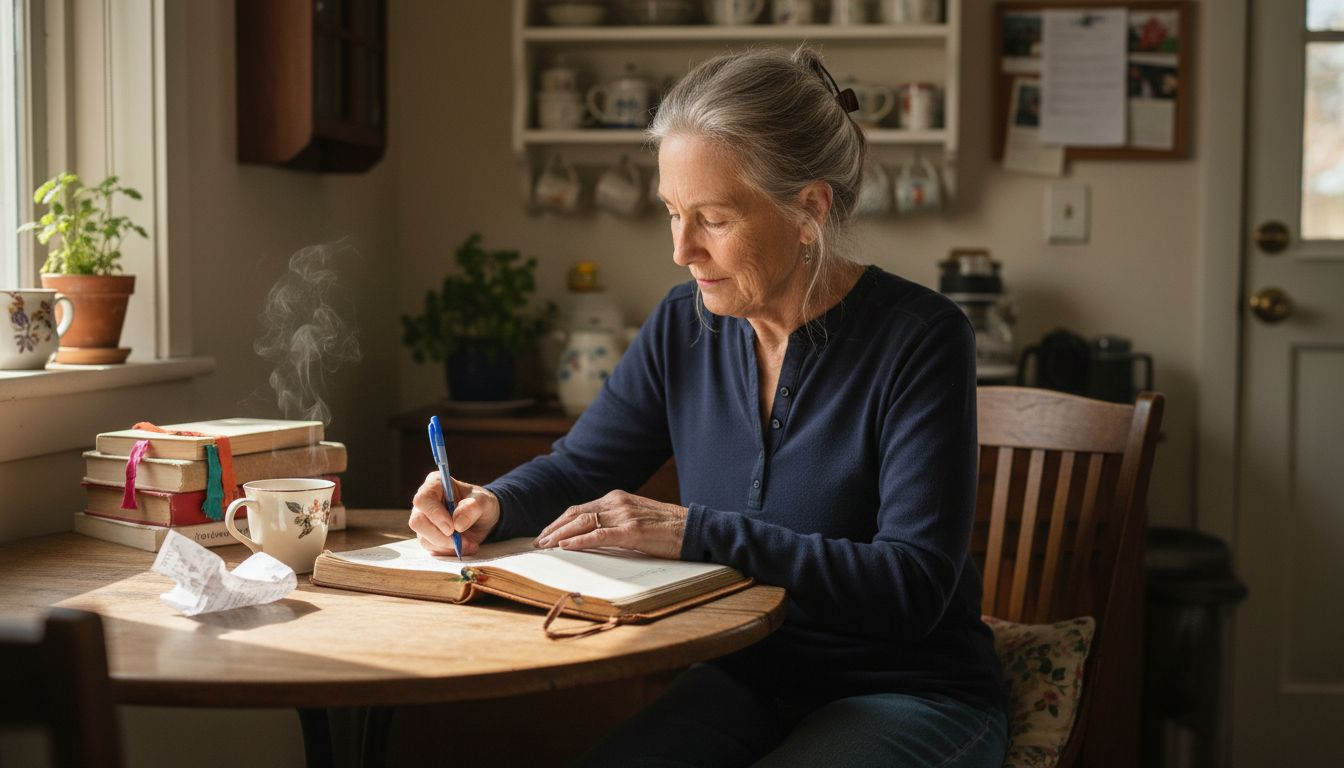
The key to resilient aging lies in challenging restrictive societal narratives and embracing a perspective of ongoing development. Psychological studies consistently show that individuals who maintain an optimistic, adaptive approach to aging experience better health outcomes, increased emotional well-being, and greater life satisfaction. By reframing aging from a limitation to a stage of potential, women can unlock powerful internal resources that support physical health, emotional strength, and personal fulfillment.
Fundamental mindset shifts include recognizing personal agency, cultivating curiosity, and maintaining social connections. Comprehensive research on mental health in older adults emphasizes the importance of supportive interventions and policy frameworks that encourage positive aging experiences. Women can actively participate in this transformation by continuously learning, staying socially engaged, and viewing each life stage as an opportunity for growth and self-discovery.
Pro Tip: Create a personal ‘growth portfolio’ documenting your evolving skills, experiences, and personal achievements to visually reinforce your expanding capabilities and challenge internalized aging stereotypes.
Here’s a summary of key mindset shifts for aging well:
| Mindset Shift | Impact on Aging | How to Cultivate |
|---|---|---|
| Personal agency | Greater confidence | Decision-making in life |
| Lifelong curiosity | Enhanced brain health | Learn new skills monthly |
| Social connection | Improved well-being | Join local interest groups |
| Growth perspective | Increased satisfaction | Reflect on achievements |
Holistic Self-Care in Age-Positive Living
Holistic self-care transcends traditional wellness approaches by integrating physical, mental, and emotional well-being into a comprehensive lifestyle strategy. Community-based interventions demonstrate that complex, interconnected care approaches can dramatically improve older adults’ independent living and quality of life, highlighting the profound impact of a truly integrated self-care philosophy.
A multidimensional approach to wellness recognizes that aging is not about managing decline, but about cultivating vibrant, adaptive health across all life domains. Positive aging strategies draw from advanced psychological research, emphasizing resilience, social engagement, and skill development. This means creating personalized wellness routines that address cognitive stimulation, physical activity, emotional regulation, and social connection simultaneously.
Practical holistic self-care involves developing intentional practices that nourish body, mind, and spirit. Key components include regular physical movement tailored to individual capabilities, mindfulness practices, continuous learning, nutritious whole-food nutrition, meaningful social interactions, and proactive healthcare management. By viewing self-care as a dynamic, evolving process, women can transform aging from a passive experience into an active, empowering journey of personal growth and self-discovery.
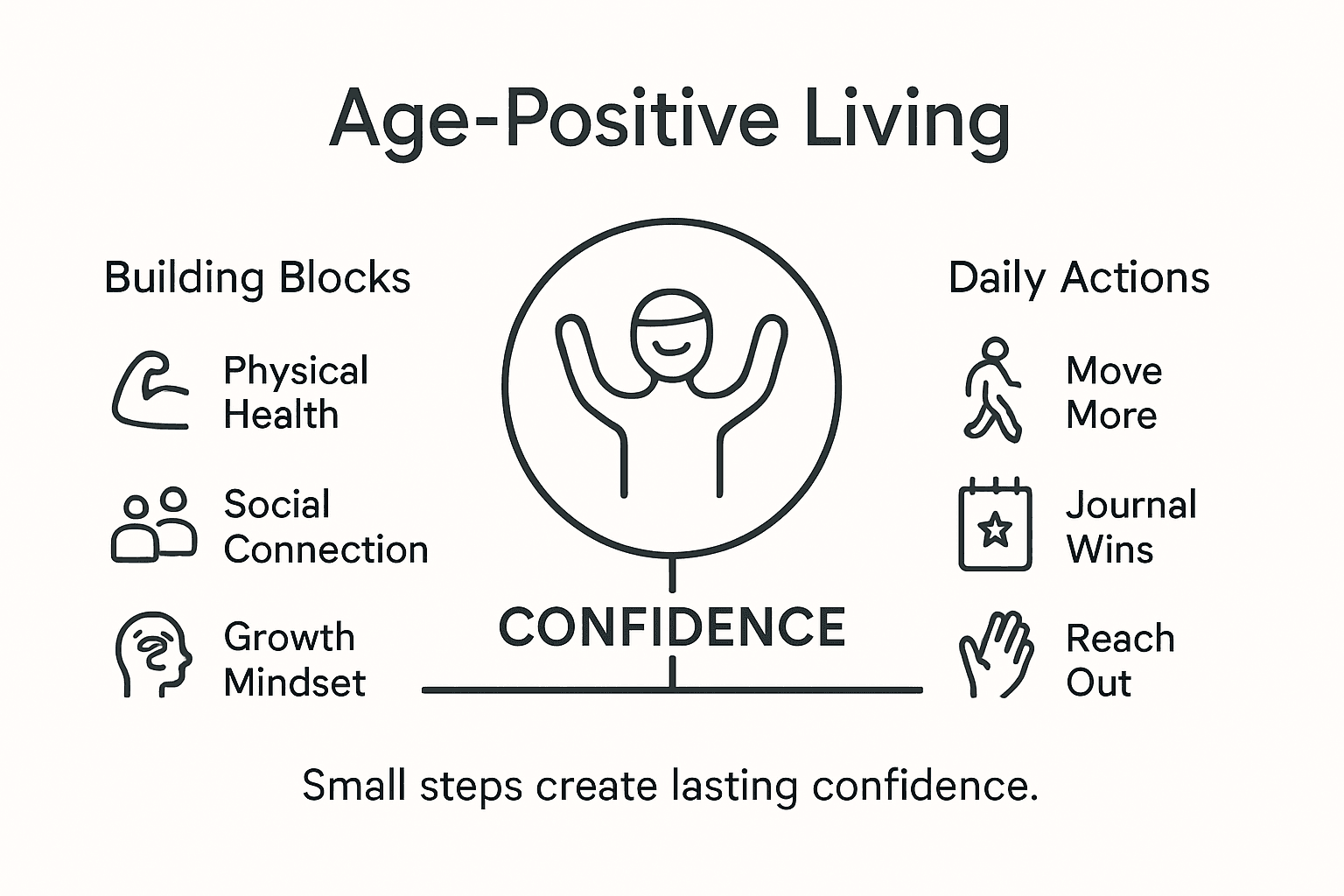
Pro Tip: Create a personalized wellness dashboard tracking your physical, mental, and emotional health indicators to help you visualize your holistic progress and identify areas for integrated self-care improvements.
Challenging Ageism and Common Stereotypes
Ageism represents a pervasive and often invisible form of discrimination that systematically undermines the value and potential of older adults. The European Union highlights the critical importance of addressing ageism across social sectors to foster a more inclusive, strength-based vision of aging, recognizing that stereotypes limit individual potential and collective societal progress.
Common stereotypes about aging often portray older adults as technologically inept, less creative, or inherently less capable. These harmful narratives ignore the rich reservoir of experience, wisdom, and adaptability that comes with years of living. Challenging these stereotypes requires a multifaceted approach that celebrates individual diversity, recognizes ongoing personal growth, and reframes aging as a dynamic, empowering journey of continuous learning and transformation.
Practical strategies for confronting ageism include amplifying diverse narratives of aging, challenging internalized negative beliefs, and creating intergenerational spaces that foster mutual understanding and respect. Women can become powerful agents of change by sharing their authentic experiences, demonstrating resilience, pursuing new skills and passions, and actively rejecting limiting societal expectations. By embracing a narrative of strength, curiosity, and ongoing personal evolution, individuals can dismantle restrictive stereotypes and create a more inclusive, age-positive cultural landscape.
Pro Tip: Develop a personal ‘stereotype challenge journal’ where you document and actively reframe negative age-related assumptions you encounter, transforming them into opportunities for personal growth and empowerment.
Cultivating Confidence Through Daily Rituals
Confidence emerges not from grand gestures, but through intentional, consistent daily practices that reinforce self-worth and personal empowerment. Daily rituals serve as powerful psychological anchors that help cultivate emotional resilience and self-trust, transforming small, repeated actions into meaningful pathways of personal growth.
The architecture of confidence is built through mindful, structured routines that align body, mind, and spirit. Integrating self-care rituals that emphasize personal embodiment can profoundly reinforce inner strength and self-value. These practices might include morning meditation, journaling, intentional movement, affirmation practices, or deliberate moments of self-reflection that create a consistent narrative of personal empowerment and capability.
Successful confidence-building rituals are highly personalized and adaptable. They should resonate with individual values, lifestyle, and emotional needs. Key elements include establishing non-negotiable self-care time, creating boundaries that protect personal energy, practicing compassionate self-dialogue, and celebrating small victories. By treating these rituals as sacred commitments to personal growth, women can progressively rewire internal narratives, transforming daily experiences from passive to purposeful.
Pro Tip: Design a personal ‘confidence toolkit’ with 3-5 specific daily practices that take less than 15 minutes, ensuring they are realistic, meaningful, and aligned with your unique strengths and aspirations.
Embrace Age-Positive Living with Confidence and Style
The journey toward age-positive living begins with shifting your mindset to one of growth and empowerment. If you are navigating common challenges such as overcoming internalized age stereotypes or cultivating daily confidence rituals, you are not alone. This article highlights how embracing personal agency, lifelong curiosity, and social connection can transform your experience of aging. At EmilySandersLifestyle.com, we understand that confidence and self-care are deeply connected to how you feel both inside and out.
Discover how our curated fashion essentials and gentle wellness guidance can support your holistic self-care journey. Whether you want to explore beginner-friendly skincare fundamentals or build balanced lifestyle routines that reinforce your inner strength, our platform offers approachable insights meant to empower modern women embracing their evolving selves. Start your transformation today at EmilySandersLifestyle.com and infuse every day with confidence and grace. Take charge of your glow by visiting EmilySandersLifestyle.com now and experience the shift in mindset that real age-positive living inspires.
Frequently Asked Questions
What is age-positive living?
Age-positive living is a progressive approach to aging that emphasizes growth, empowerment, and personal development rather than decline. It challenges negative stereotypes of aging and focuses on health, social participation, and security.
How can I shift my mindset for aging positively?
To shift your mindset, embrace a growth perspective, recognize your personal agency, cultivate curiosity, and engage socially. Engage in activities that foster continuous learning and reflect on your achievements to counter negative narratives about aging.
What are some daily rituals to cultivate confidence as I age?
Daily rituals such as morning meditation, journaling, practicing affirmations, and setting aside non-negotiable self-care time can help reinforce self-worth and emotional resilience, building confidence over time.
How can I challenge ageism in my daily life?
You can challenge ageism by amplifying diverse narratives about aging, confronting internalized negative beliefs, and creating intergenerational connections. Share your experiences and pursue new skills to break down harmful stereotypes.
Recommended
- Confidence Boosting Daily Routine for Ageless Glow – EMILY SANDERS LIFESTYLE
- Complete Guide to Embracing Ageless Wellness – EMILY SANDERS LIFESTYLE
- 7 Essential Healthy Lifestyle Habits List for Ageless Beauty – EMILY SANDERS LIFESTYLE
- Role of Lifestyle in Mature Beauty: How Habits Shape Your Glow – EMILY SANDERS LIFESTYLE
0 commentaire