
Over 40 million American adults are searching for ways to maintain energy and slow signs of aging as science uncovers new insights into cellular health. Understanding the core mechanics behind molecules like NAD+ has moved beyond lab research, now capturing attention for its potential to shape metabolic wellness. This guide illuminates what NAD+ is and why its role in cellular processes matters for anyone seeking better health outcomes and longevity.
Table of Contents
- What NAD+ Really Is
- How NAD+ Functions In Cells
- NAD+ Precursors And Variations
- Health Benefits And Use Cases
- Safety Risks And Supplement Considerations
Key Takeaways
| Point | Details |
|---|---|
| NAD+ is essential for cellular health | Functions as a coenzyme in critical biochemical processes including energy production and DNA repair. |
| Declining NAD+ levels are linked to aging | Decreased levels are associated with various age-related health issues, impacting cellular efficiency and resilience. |
| NAD+ has significant health benefits | Restoration of optimal NAD+ can potentially improve cognitive function, metabolic health, and cellular repair. |
| Supplementation requires caution | Professional guidance is essential to avoid risks associated with NAD+ supplementation and individual metabolic variations. |
What NAD+ Really Is
Nicotinamide adenine dinucleotide (NAD+) is a powerful molecular compound critical for human cellular function and metabolic health. This essential coenzyme plays a fundamental role in numerous biochemical processes, acting like a microscopic energy manager within our body’s intricate cellular systems.
At its core, NAD+ serves as a crucial metabolic catalyst for energy production and cellular maintenance. Scientifically speaking, it functions as a key molecule that enables critical enzymatic reactions, particularly those involving sirtuins and poly(ADP-ribose) polymerases. These enzymatic interactions are responsible for several vital biological processes:
- DNA repair mechanisms
- Gene expression regulation
- Cellular metabolism optimization
- Energy production pathways
As we age, our natural NAD+ levels gradually decline, which researchers have linked to various age-related health challenges. The molecular decline of NAD+ becomes increasingly significant, potentially contributing to decreased cellular resilience and metabolic efficiency. This reduction can impact multiple physiological systems, including cardiovascular and neurological functions, making NAD+ a critical focus for understanding cellular aging and potential interventions.
Understanding NAD+ is like recognizing the body’s internal power grid manager. Just as an electrical grid requires consistent maintenance to function smoothly, our cells depend on NAD+ to coordinate complex energy transactions and maintain cellular health. Its role extends far beyond simple energy production, representing a sophisticated molecular network that supports our body’s most fundamental biological processes.
How NAD+ Functions In Cells
Inside our cellular ecosystem, NAD+ operates as a critical molecular conductor, orchestrating complex biochemical interactions that are fundamental to cellular health and functionality. Gene expression regulation represents one of its most sophisticated roles, where NAD+ acts as both a substrate and cofactor for enzymatic reactions that coordinate genomic stability and epigenetic processes.
The molecular mechanics of NAD+ involve several key pathways that maintain cellular efficiency. When NAD+ interacts with specialized enzymes, it triggers critical biological mechanisms:
- Facilitating DNA repair processes
- Modulating RNA processing
- Supporting mitochondrial energy production
- Regulating cellular metabolism
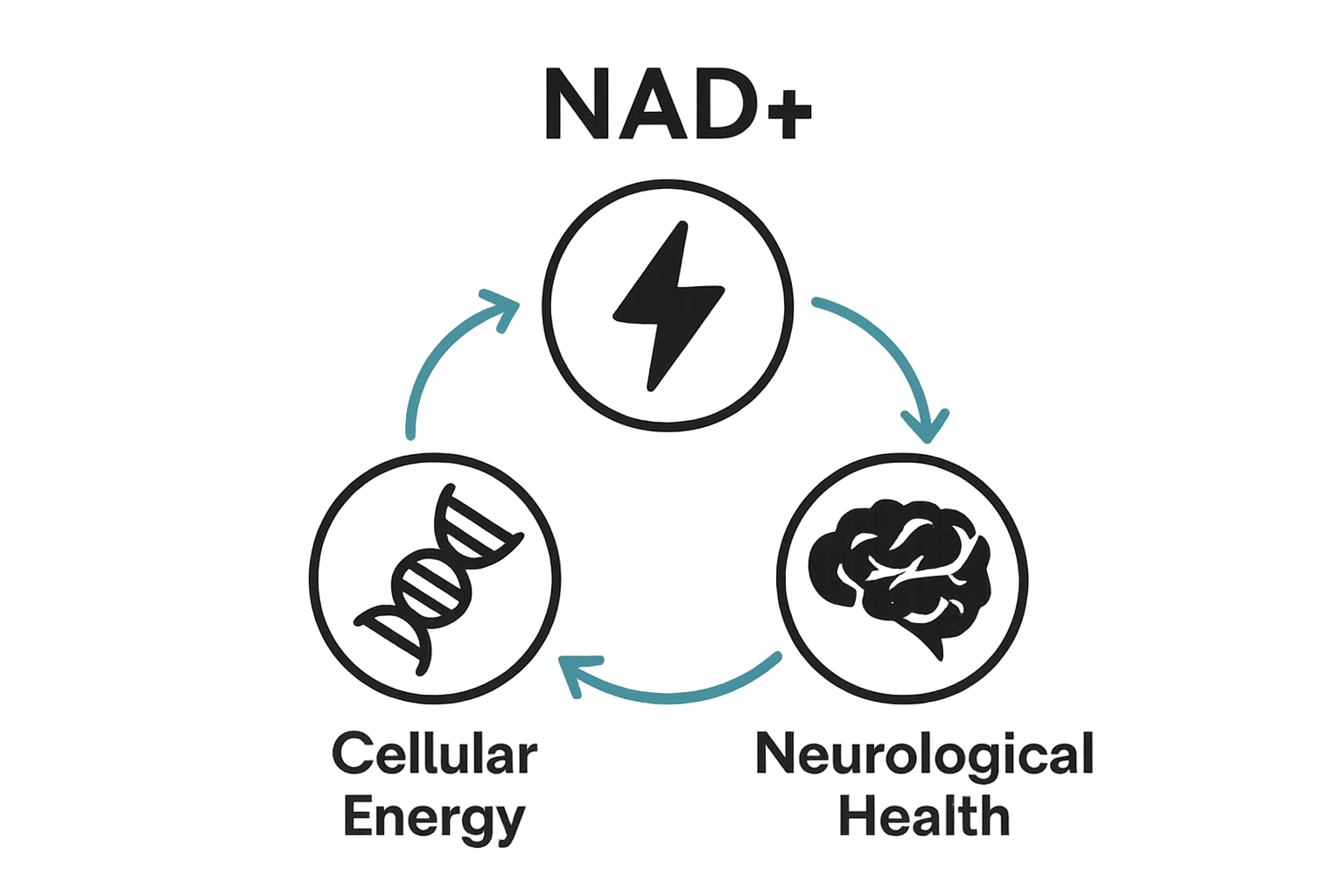
Particularly fascinating is NAD+'s ability to influence neurological health. Research indicates that NAD+ levels are intrinsically linked to axonal integrity, with potential implications for preventing neurodegeneration. By manipulating enzymes within NAD+ synthesis pathways, scientists are exploring strategies to potentially mitigate age-related cellular decline.
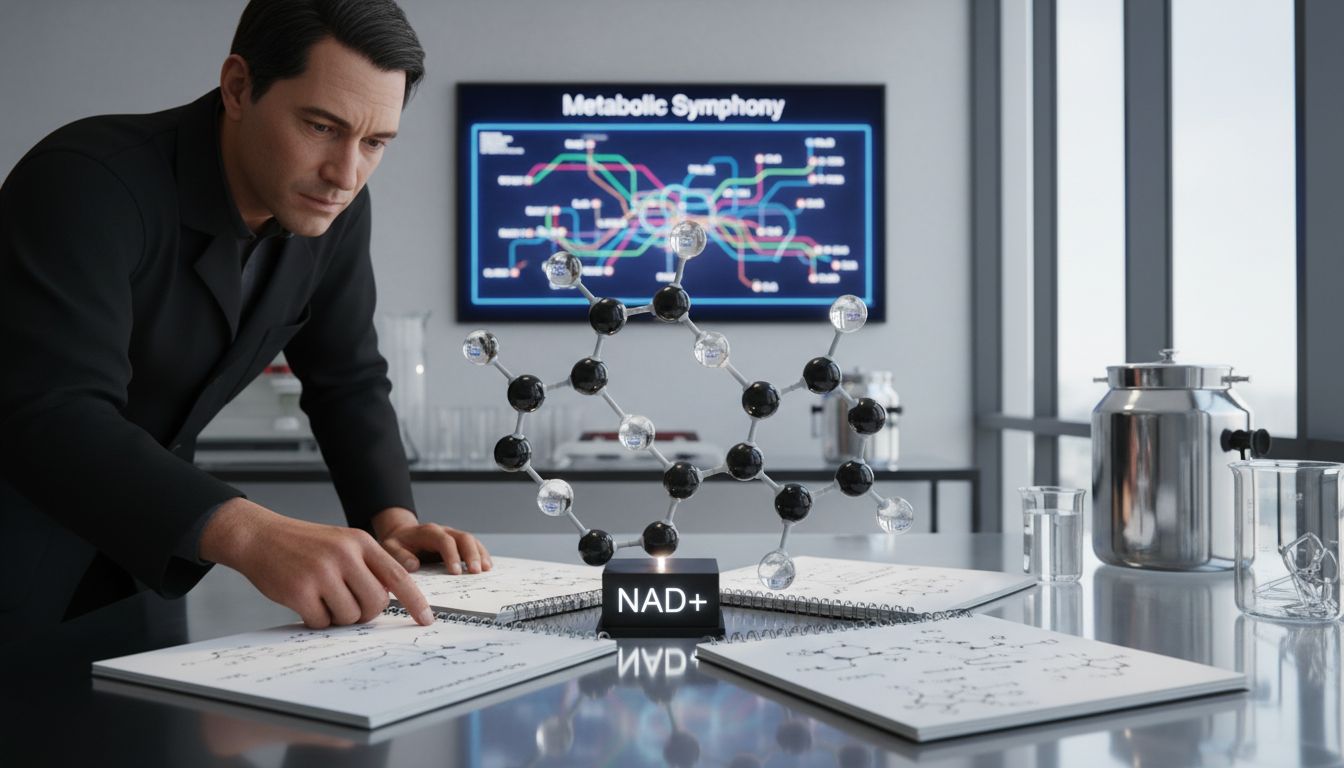
Think of NAD+ as a cellular maestro, simultaneously conducting multiple complex biochemical symphonies. Its intricate interactions ensure that our cells maintain optimal performance, adapting and responding to various metabolic challenges with remarkable precision. Each NAD+ molecule essentially acts as a microscopic manager, coordinating energy production, genetic stability, and overall cellular resilience.
NAD+ Precursors And Variations
NAD+ synthesis is a complex biological process with multiple intricate pathways that ensure our cells maintain optimal metabolic function. Cellular NAD+ production occurs through three primary mechanisms: the de novo pathway, the Preiss-Handler pathway, and the salvage pathway, each playing a unique role in maintaining cellular energy and metabolic health.
The different pathways of NAD+ synthesis demonstrate remarkable versatility:
- De Novo Pathway: Synthesizes NAD+ from tryptophan via the kynurenine route
- Preiss-Handler Pathway: Converts vitamin precursors like nicotinic acid into NAD+
- Salvage Pathway: The most frequently used method, recycling existing NAD+ molecules
Interestingly, cellular NAD+ variations extend beyond simple production. Approximately 10% of cellular NAD+ can be phosphorylated to form NADP+, which then transforms into NADPH. This molecular metamorphosis is critical for anabolic reactions and cellular stress resistance, highlighting the dynamic nature of these molecular processes.
Understanding NAD+ precursors is like mapping a sophisticated molecular highway system. Each pathway represents a different route, with multiple entry points and interconnected systems working together to ensure consistent energy production and cellular maintenance. The body’s ability to generate and recycle these molecules through different mechanisms underscores the incredible complexity and adaptability of our cellular biochemistry.
Health Benefits And Use Cases
NAD+ represents a powerful molecular compound with wide-ranging health implications, particularly in addressing age-related challenges. Declining NAD+ levels are scientifically linked to numerous health conditions, including cognitive decline, metabolic disorders, cancer progression, and muscular deterioration. The potential to restore and maintain optimal NAD+ levels offers promising strategies for comprehensive wellness and potential age reversal.
The health benefits of NAD+ span multiple physiological domains:
- Cognitive function preservation
- Metabolic health optimization
- Cellular repair and regeneration
- Potential cancer risk mitigation
- Muscle mass maintenance
- Energy metabolism enhancement
Beyond its systemic benefits, NAD+ plays a crucial role in gene expression by regulating genomic stability and epigenetic processes. This molecular versatility allows NAD+ to influence critical cellular mechanisms, potentially slowing down aging-associated deterioration and supporting overall physiological resilience.
The strategic use of NAD+ represents a sophisticated approach to holistic health management. By understanding and potentially manipulating these molecular pathways, individuals can explore proactive strategies for maintaining cellular efficiency, supporting long-term wellness, and potentially mitigating age-related decline. When considering BPC-157 and other complementary protocols, NAD+ emerges as a fundamental component in advanced health optimization strategies.
Safety Risks And Supplement Considerations
NAD+ supplementation requires careful and informed approach, as the molecular complexity of this compound demands nuanced understanding. Enzyme manipulation in NAD+ synthesis pathways presents potential therapeutic strategies, but also underscores the need for precise and professional medical guidance when considering supplementation.
Potential risks and critical considerations include:
- Potential interactions with existing medications
- Individual metabolic variations
- Potential side effects from improper dosing
- Risk of disrupting natural cellular processes
- Need for comprehensive medical supervision
- Importance of personalized supplementation strategies
Chronic NAD+ precursor deficiency can lead to serious health consequences, including pellagra - a potentially fatal condition that emphasizes the delicate balance required in metabolic supplementation. This underscores the critical importance of professional medical consultation and comprehensive health assessment before initiating any NAD+ supplementation regimen.
Navigating NAD+ supplementation is like walking a sophisticated biochemical tightrope. Professional guidance, comprehensive health screening, and individualized approaches are not just recommended but essential. When exploring potential complementary health protocols, understanding the intricate balance of cellular metabolism becomes paramount for safe and effective intervention.
Recharge Your Cellular Energy and Glow with Confidence
The article highlights the vital role of NAD+ in supporting energy production, DNA repair, and cellular resilience. If you feel challenged by age-related fatigue, cognitive decline, or metabolic slowdowns these are common pain points connected to declining NAD+ levels. Understanding terms like enzymatic reactions, salvage pathways, and NAD+ precursors can feel overwhelming but they reveal how crucial maintaining cellular health truly is to your overall well-being and radiant glow.

Discover how you can support your natural beauty and wellness at EmilySandersLifestyle.com through beginner-friendly insights on peptides and balanced living routines. Dive into our calm, educational content designed to boost your confidence and help you embrace modern feminine self-care. Act now to start nurturing your cellular vitality and restore that youthful energy by exploring simple lifestyle tips for glowing skin, wellness, and gentle health optimization today.
Frequently Asked Questions
What is NAD+ and why is it important?
NAD+ (Nicotinamide adenine dinucleotide) is a vital coenzyme that plays a crucial role in energy production, cellular metabolism, DNA repair, and gene expression regulation. It functions as a metabolic catalyst and is essential for maintaining optimal cellular health.
How does NAD+ function in the body?
NAD+ acts as a molecular conductor that facilitates various biochemical interactions in cells. It supports DNA repair, modulates RNA processing, and regulates cellular metabolism and energy production, making it fundamental for cellular efficiency and health.
What are the health benefits of NAD+?
NAD+ has been linked to several health benefits, including improved cognitive function, enhanced metabolic health, cellular repair, maintenance of muscle mass, and potential cancer risk mitigation. Its role in gene expression also helps in supporting overall physiological resilience.
Are there any risks associated with NAD+ supplementation?
Yes, NAD+ supplementation should be approached with caution, as improper dosing or lack of medical supervision can lead to side effects, potential interactions with medications, and disruption of natural cellular processes. It’s important to consult a healthcare professional before starting supplementation.
Recommended
- Glow-Enhancing Habits Tutorial for Radiant, Ageless Beauty – EMILY SANDERS LIFESTYLE
- Why Routines Boost Beauty: Complete Guide for Women – EMILY SANDERS LIFESTYLE
- Peptide Explained: Skincare, Health, and Ageless Glow – EMILY SANDERS LIFESTYLE
- Complete Guide to Embracing Ageless Wellness – EMILY SANDERS LIFESTYLE
0 comentarios