
Finding the right balance of nutrients can feel challenging when your goal is glowing, resilient skin as you navigate midlife changes. Copper stands out as a vital element, playing a central role in energy production and supporting healthy connective tissue, but the body’s ability to absorb and regulate this mineral is delicate. Understanding how copper influences everything from enzyme activity to collagen synthesis offers powerful insights for anyone invested in effective, science-driven skincare and overall wellness.
Table of Contents
- Copper’s Role In Human Physiology
- Types Of Copper Peptides For Skin Health
- How Copper Peptides Support Aging And Repair
- Optimal Copper Intake And Absorption
- Risks Of Deficiency, Excess, And Product Misuse
Key Takeaways
| Point | Details |
|---|---|
| Copper is Essential for Health | Copper is a vital micronutrient involved in enzyme production, metabolism, and neurological functions, with both deficiency and excess posing serious health risks. |
| Copper Peptides in Skincare | Copper peptides, especially GHK-Cu, significantly enhance skin health by promoting collagen production and accelerating wound healing. |
| Optimal Copper Intake is Crucial | Approximately 900 micrograms of copper is recommended daily, and absorption is affected by dietary factors; a balanced diet is essential. |
| Risks with Copper Imbalance | Both copper deficiency and excess can lead to severe health issues, making regular monitoring and professional consultations important for maintaining balance. |
Copper’s Role in Human Physiology
Copper represents a critical micronutrient that plays an essential role in numerous physiological processes throughout the human body. This trace mineral serves as a fundamental component in enzyme production, cellular metabolism, and maintaining neurological functions. Metabolic interactions involving copper are complex and multifaceted, influencing everything from energy production to immune system performance.
At the cellular level, copper acts as a crucial cofactor for several enzymatic reactions that support fundamental biological mechanisms. Enzyme activation pathways demonstrate how copper helps transform biochemical compounds, enabling critical cellular transformations. Proteins containing copper perform specialized tasks like transporting electrons, synthesizing neurotransmitters, and supporting connective tissue formation.
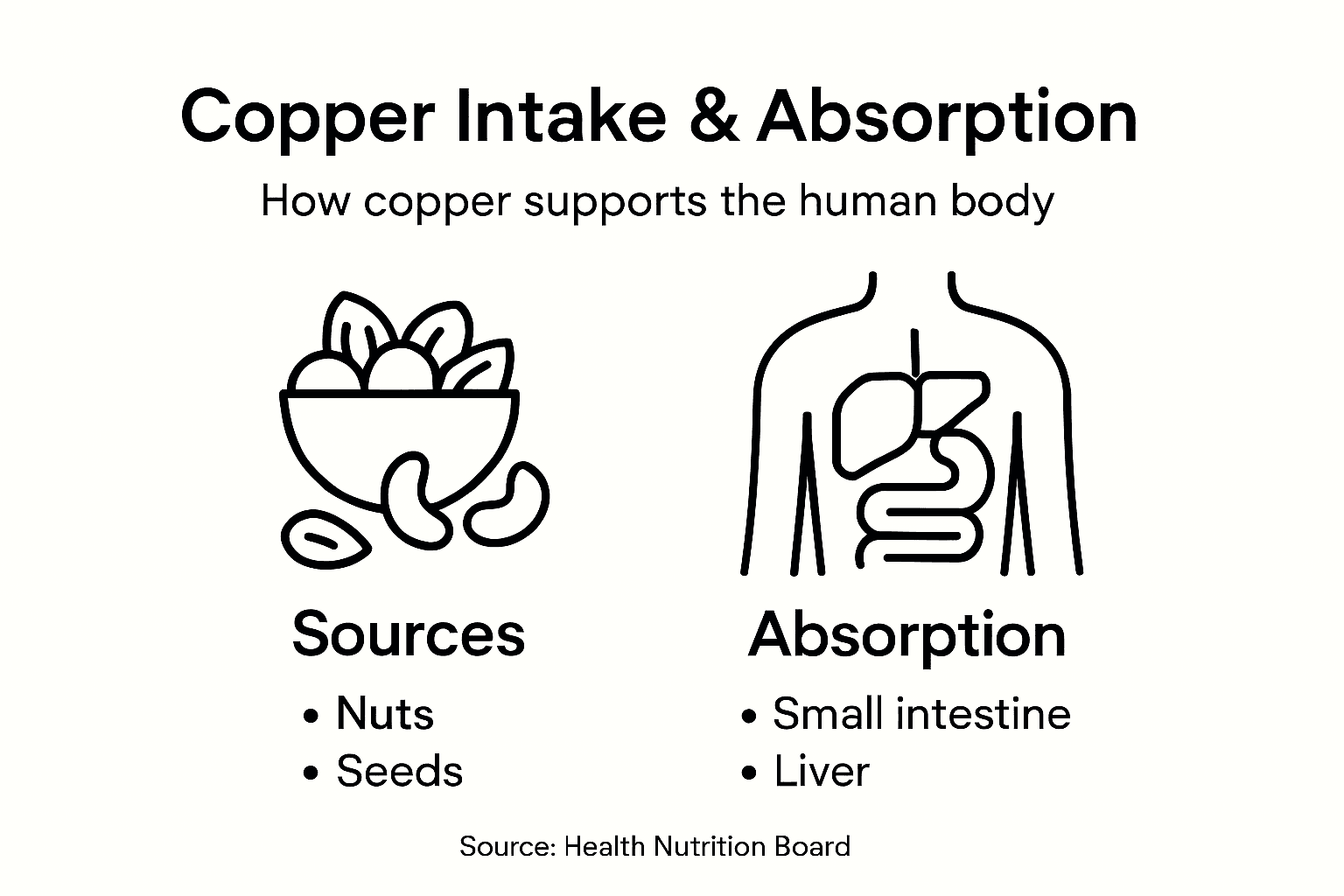
The human body carefully regulates copper absorption and distribution through specialized proteins and transport mechanisms. Copper primarily enters the body through dietary sources like nuts, seeds, shellfish, and organ meats. Once absorbed, the liver acts as the primary storage and distribution center, releasing copper into the bloodstream as needed for various metabolic processes. Maintaining appropriate copper levels becomes crucial, as both deficiency and excess can generate significant physiological complications.
Pro tip: Consider incorporating copper-rich foods like pumpkin seeds, cashews, and dark chocolate into your diet to support natural mineral balance and optimize metabolic functions.
Types of Copper Peptides for Skin Health
In the realm of advanced skincare, copper peptides emerge as powerful molecular compounds designed to transform skin health and appearance. These specialized protein fragments combine copper ions with specific amino acid sequences, creating potent bioactive molecules that interact uniquely with cellular structures. Copper peptide complexes represent a sophisticated approach to skin regeneration and anti-aging interventions.
The most prominent copper peptide, GHK-Cu, stands out as a revolutionary compound naturally present in human plasma. This tripeptide demonstrates remarkable capabilities in stimulating collagen production, enhancing wound healing, and providing significant antioxidant protection. Other notable copper peptides include copper tripeptide-1, copper tetrapeptide-7, and copper tripeptide-2, each offering distinct molecular mechanisms for skin renewal and protection.
Different copper peptides target specific skin concerns through unique biochemical interactions. Copper peptide variations exhibit specialized functions ranging from promoting elastin production to reducing inflammation and supporting cellular repair processes. These molecular compounds work at the deepest levels of skin architecture, triggering regenerative pathways that can visibly improve skin texture, firmness, and overall resilience.
Here’s a summary of how different copper peptides function in advanced skincare:
| Copper Peptide Type | Key Action | Primary Skin Benefit |
|---|---|---|
| GHK-Cu | Stimulates collagen | Enhances skin firmness |
| Copper Tripeptide-1 | Increases elastin | Boosts skin elasticity |
| Copper Tetrapeptide-7 | Reduces inflammation | Calms sensitive skin |
| Copper Tripeptide-2 | Promotes tissue repair | Speeds up wound healing |
Pro tip: Consult with a skincare professional to identify the most appropriate copper peptide formulation for your specific skin type and age-related concerns.
How Copper Peptides Support Aging and Repair
The aging process triggers complex cellular transformations that compromise skin structure and resilience. Copper peptides emerge as sophisticated molecular interventions designed to counteract these degenerative changes, offering a scientifically advanced approach to cellular regeneration. GHK-Cu benefits represent a groundbreaking strategy for addressing age-related skin deterioration at its fundamental molecular level.
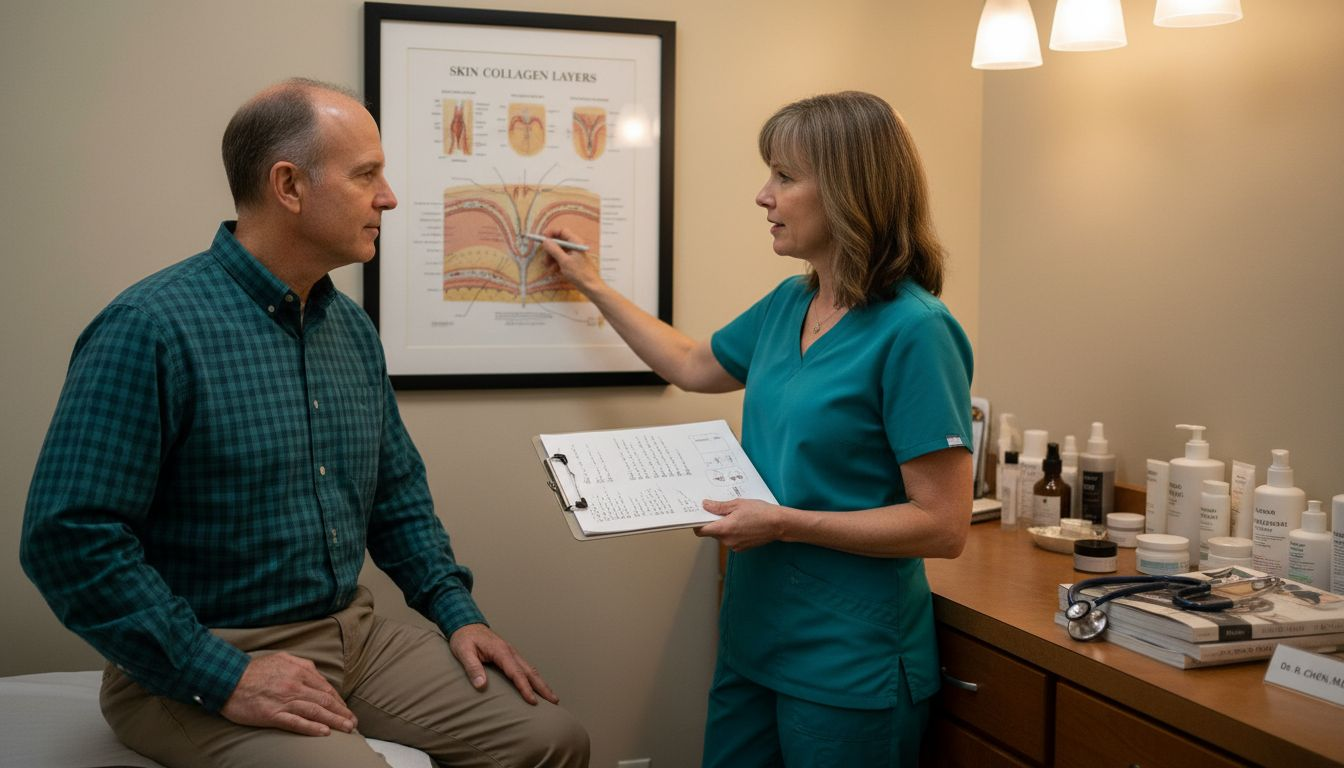
At the cellular level, copper peptides activate multiple regenerative pathways that stimulate critical repair mechanisms. These bioactive compounds trigger collagen production, enhance elastin synthesis, and promote rapid wound healing by signaling cellular repair processes. The unique molecular structure of copper peptides allows them to penetrate deep into skin layers, triggering intrinsic repair mechanisms that naturally decline with age.
The regenerative potential of copper peptides extends beyond surface-level improvements. These molecular compounds interact with cellular receptors, stimulating growth factors that support tissue remodeling, reduce inflammation, and protect against oxidative stress. By modulating cellular communication and supporting natural repair processes, copper peptides offer a comprehensive approach to managing age-related skin changes, helping to maintain skin’s structural integrity and functional resilience.
Pro tip: Integrate copper peptide treatments gradually into your skincare routine, starting with lower concentrations and monitoring your skin’s response to optimize potential regenerative benefits.
Optimal Copper Intake and Absorption
Copper absorption represents a delicate biochemical process fundamental to maintaining optimal human health. The body carefully regulates copper intake through complex mechanisms that ensure precise nutritional balance. Copper absorption mechanisms demonstrate the intricate ways our physiological systems manage this essential trace mineral.
The human small intestine serves as the primary site for copper absorption, with bioavailability influenced by multiple dietary factors. Certain nutrients like zinc can potentially inhibit copper uptake, creating a nuanced interaction between mineral intake and absorption. Typically, adults require approximately 900 micrograms of copper daily, with absorption rates varying based on individual metabolic factors, dietary composition, and overall nutritional status.
Maintaining copper homeostasis involves sophisticated regulatory processes centered in the liver. The body contains a total copper reservoir of 50–120 mg, carefully managing absorption and excretion to support critical biological functions. Copper intake requirements vary across different life stages, with factors like age, sex, and physiological condition significantly impacting recommended consumption levels. Optimal absorption depends on a balanced diet rich in copper-containing foods such as nuts, seeds, shellfish, and organ meats.
Pro tip: Consult a nutritionist to develop a personalized dietary plan that ensures balanced copper intake while monitoring potential interactions with other essential minerals.
Risks of Deficiency, Excess, and Product Misuse
Copper represents a delicate biochemical element with a surprisingly narrow safety margin, where both deficiency and excess can trigger significant health complications. Copper imbalance consequences underscore the critical importance of maintaining precise physiological equilibrium through careful dietary and supplementation strategies.
Copper deficiency emerges through complex mechanisms, potentially causing profound health disruptions. Symptoms can include neutropenia, anemia, and neurological complications such as myelopathy and ataxia. Individuals with malabsorption syndromes, those who have undergone gastric surgery, or people consuming excessive zinc are particularly vulnerable to developing copper insufficiency. These deficiencies can often be mistaken for other nutritional imbalances, making accurate diagnostic assessment crucial.
Conversely, excessive copper intake poses equally serious health risks. Copper toxicity mechanisms reveal potential damage across multiple organ systems, including liver dysfunction, hemolytic anemia, and oxidative stress. Chronic exposure to elevated copper levels can compromise immune function, disrupt skeletal metabolism, and potentially impact cardiovascular and nervous system performance. The body’s intricate regulatory systems work continuously to prevent such imbalances, highlighting the importance of understanding individual metabolic variations.
Below is a comparison of copper deficiency and copper excess effects on health:
| Copper Status | Potential Causes | Main Health Effects |
|---|---|---|
| Deficiency | Malabsorption, high zinc intake | Anemia, nerve damage, poor immunity |
| Excess | Supplement overuse, contamination | Liver damage, oxidative stress, anemia |
Pro tip: Consult a healthcare professional for personalized copper assessment, including comprehensive blood tests to evaluate your current mineral balance and potential supplementation needs.
Unlock the Age-Defying Power of Copper Peptides Today
If you are concerned about the natural decline in skin elasticity, collagen production, or are looking to support your body’s cellular repair mechanisms you are not alone. This article highlights how copper peptides like GHK-Cu stimulate collagen and elastin synthesis and offer deep skin regeneration benefits especially as we age. At Emily Sanders Lifestyle, we understand these challenges and provide research-driven insights and peptide solutions to help you balance and optimize your skin health and overall wellness.
Explore our comprehensive resources on peptides at https://peptidelab.be and discover how copper-based formulations can transform your skincare routine. Start your journey toward healthier skin and improved vitality now by visiting PeptideLab and unlock advanced self-care strategies designed for sustainable aging and long-term resilience. Don’t wait for visible signs of aging to take control of your skin’s future.
Frequently Asked Questions
What role does copper play in human physiology?
Copper is a critical micronutrient involved in enzyme production, cellular metabolism, and maintaining neurological functions. It acts as a cofactor for various enzymatic reactions essential for energy production and immune system performance.
How do copper peptides benefit skin health?
Copper peptides, such as GHK-Cu, stimulate collagen production, enhance wound healing, and provide antioxidant protection. They penetrate deep into the skin to trigger regenerative pathways that improve texture, firmness, and overall resilience.
What are the risks associated with copper deficiency?
Copper deficiency can lead to significant health issues, including anemia, neutropenia, and neurological complications. Those with malabsorption syndromes or high zinc intake are particularly at risk for developing a deficiency.
How can I incorporate copper into my diet?
You can support your copper intake by consuming foods rich in this mineral, such as nuts, seeds, shellfish, and organ meats. Consulting a nutritionist can help create a personalized dietary plan for balanced copper levels.
Recommended
- 7 Essential Things Women Need to Know About GHK-Cu Peptide – EMILY SANDERS LIFESTYLE
- NAD+: Everything You Need to Know – EMILY SANDERS LIFESTYLE
- GHK-Cu Benefits: Ageless Skin and Cellular Renewal – EMILY SANDERS LIFESTYLE
- Why Healthy Habits Matter for Aging Well – EMILY SANDERS LIFESTYLE
- Hair Nutrition Food: Boosting Growth and Vitality | MyHair
0 comments